Other Sources of Employment and the Growth of the Town
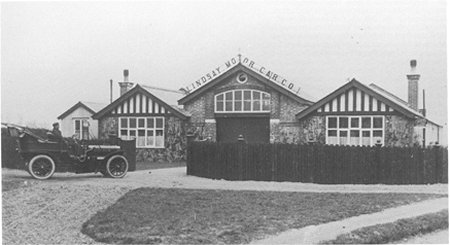
From 1900 to 1912, the Lindsay Motor Car Company made cars in the factory at Barracks Corner – where The Duke of York is now. In 1905 they built ‘Tricars’ having a two cylinder engine and variable gears. The following year they produced the 4 wheeled “Voiturette” having a 6 hp, two cylinder engine. This car sold for £140 and could achieve 40 mpg. The company ceased trading in 1912 and their factory was taken over by Thoroughfare Motors who built a small car called the “Ridley Carette” but the outbreak of war soon forced them to close.
The Lindsay Motor Car Company’s
factory at Barracks Corner.
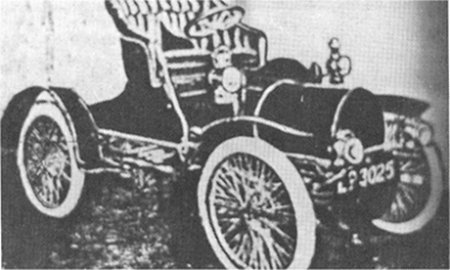
The Voiturette.
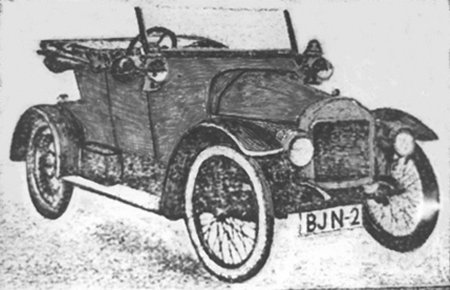
The Ridley Carette.
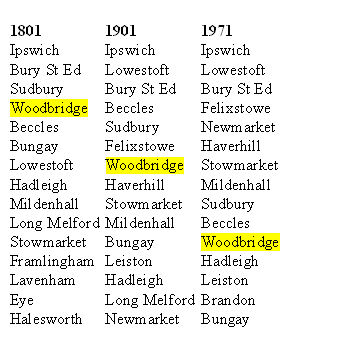
The new employment opportunities created since 1800 had negligible impact on the population of Woodbridge and by 1931 it was only just above what it had been in 1861. Yet some Suffolk towns were able to expand during this period. Garretts of Leiston, Smythes of Peasenhall and Sweffling and Ransomes of Ipswich produced first-class agricultural machinery. Silk mills were installed in several places but only succeeded at Sudbury and Glemsford, while at Beccles & Bungay printing works were established and they became of national importance. Felixstowe expanded because it became a popular seaside resort. The result, as this table shows, was that the population of some other Suffolk towns began to overtake that of Woodbridge.
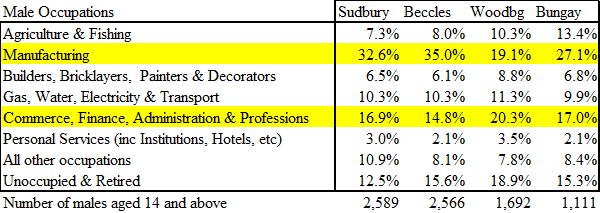
In nineteenth century and the first half of twentieth century the economy of Woodbridge became increasingly dependent on providing the townspeople, and those from the surrounding villages, with an expanding range of shops along with commercial and professional services. The difference in the pattern of employment between Woodbridge and other Suffolk towns of a similar size is clearly shown by the table below. In 1812 the percentage of males employed in the manufacturing sector of Woodbridge was significantly lower than in other towns, while that for the commerce, finance, administration and professional sector was significantly higher.
The 15 most populous Suffolk towns in 1801, 1901 and 1971 listed in order of their population.
Breakdown of male employment in 1921 for Woodbridge and other Suffolk towns of comparable size.